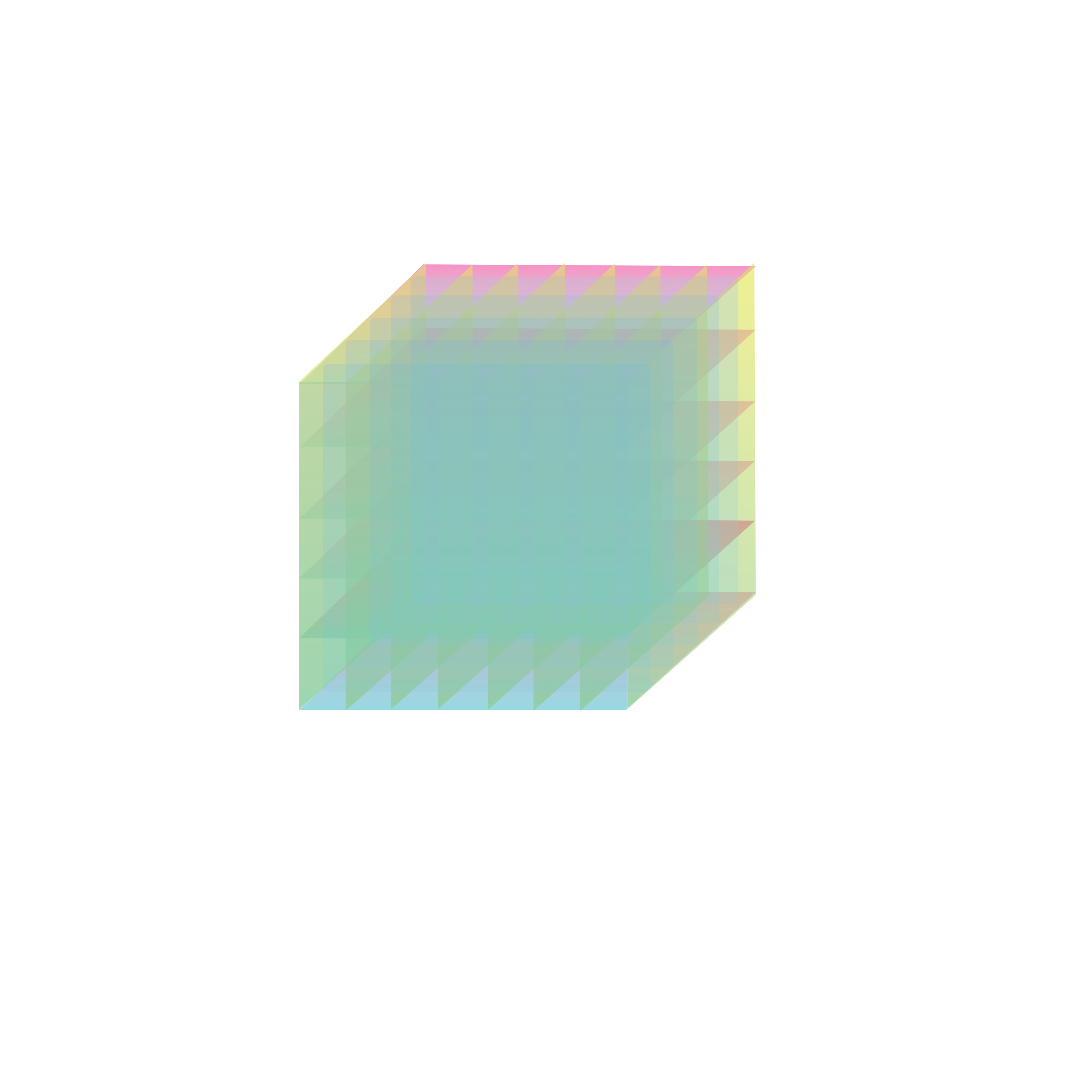
Eame Lane (2026) - Portrait
Eame’s practice explores the relationship between natural phenomena, scientific principles and technological systems, often exploring the relationship between control and surrender in the natural world.
Working across installation and sculpture she uses natural mechanisms and technology to recreate and transform processes found in the natural world.
Her interests lie in phenomena that are visually extraordinary. By translating these mechanisms in architectural form, she creates situations where scientific processes become a space for wonder and sensory exploration.
Technology is an important part of her practice, using it as a tool for revealing and manipulating natural mechanisms. She combines constructed systems with processes that already exist in the world, allowing natural laws to become part of the work.
This approach sits between art, science and experimentation. She is interested in what happens when a scientific process is removed from its usual context and placed within an artistic environment. A familiar phenomenon can become strange again: something we understand intellectually can still produce a sense of wonder when encountered physically.
Her installations draw on natural mechanisms and the work begins to exist somewhere between a designed system and a living process.
Ultimately, her work invites an engagement with the physical world through curiosity and perception. By making natural mechanisms directly experiential, she aims to create encounters in which science is not simply explained, but technology becomes a means of highlighting the extraordinary mechanisms of phenomena occurring around us.
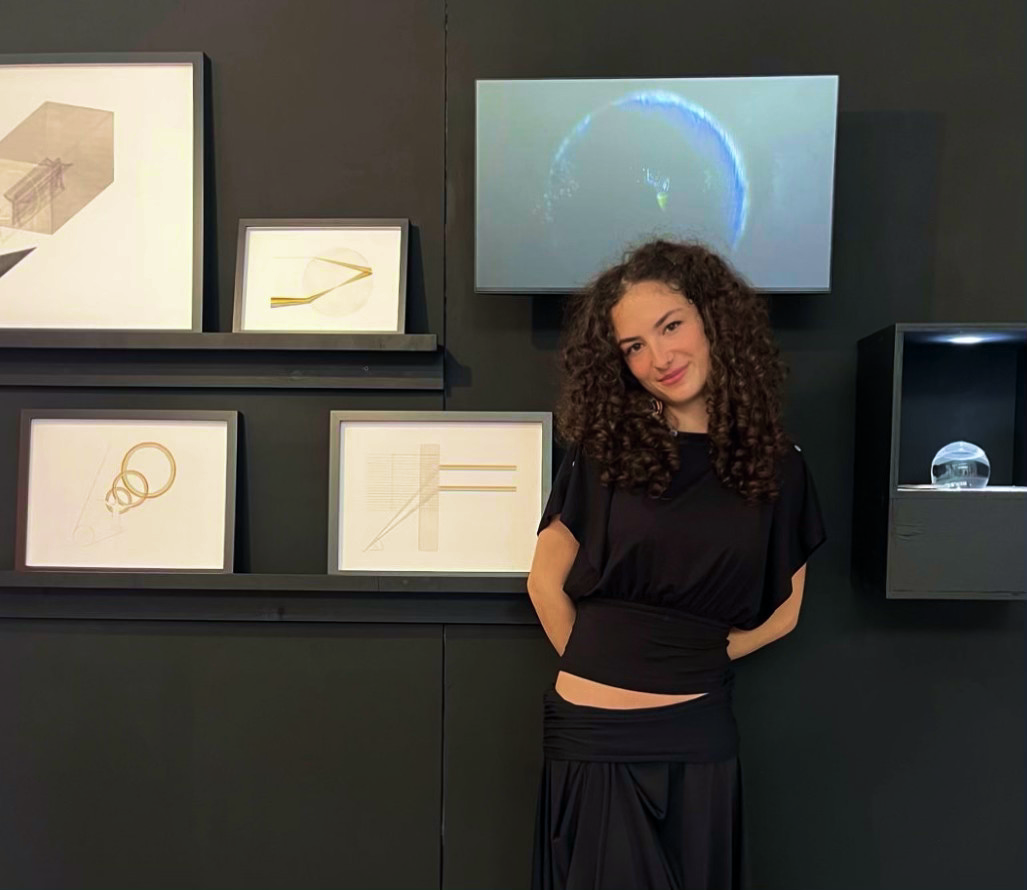
Eame Lane (2026) - Portrait
Eame’s practice explores the relationship between natural phenomena, scientific principles and technological systems, often exploring the relationship between control and surrender in the natural world.
Working across installation and sculpture she uses natural mechanisms and technology to recreate and transform processes found in the natural world.
Her interests lie in phenomena that are visually extraordinary. By translating these mechanisms in architectural form, she creates situations where scientific processes become a space for wonder and sensory exploration.
Technology is an important part of her practice, using it as a tool for revealing and manipulating natural mechanisms. She combines constructed systems with processes that already exist in the world, allowing natural laws to become part of the work.
This approach sits between art, science and experimentation. She is interested in what happens when a scientific process is removed from its usual context and placed within an artistic environment. A familiar phenomenon can become strange again: something we understand intellectually can still produce a sense of wonder when encountered physically.
Her installations draw on natural mechanisms and the work begins to exist somewhere between a designed system and a living process.
Ultimately, her work invites an engagement with the physical world through curiosity and perception. By making natural mechanisms directly experiential, she aims to create encounters in which science is not simply explained, but technology becomes a means of highlighting the extraordinary mechanisms of phenomena occurring around us.